Dave Wolverton setting the Guinness Record for the world’s largest book signing
Official Website of International Bestselling Author David Farland
David Farland was an award-winning, international best-selling author with over 60 novels still in print. Published in over 20 languages. Dave wrote science fiction as Dave Wolverton, and in fantasy his pseudonym David Farland.
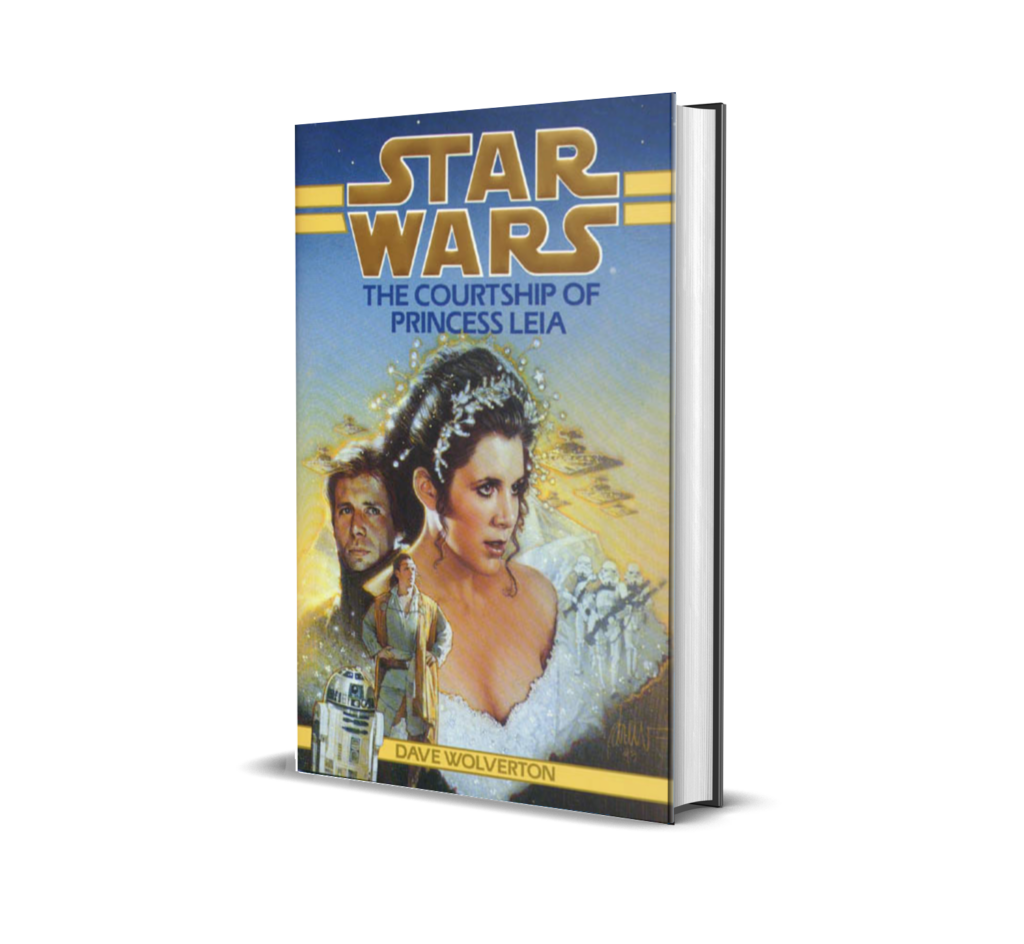
Farland wrote for major franchises such as Star Wars and his own bestselling works including The Runelords, Of Mice and Magic, and On My Way To Paradise. He won the 1987 Writers of the Future Contest, and has been nominated for a Nebula Award and a Hugo Award. As a writing instructor, Farland mentored dozens who have gone on to staggering literary success, including such #1 New York Times Bestsellers as Brandon Mull (Fablehaven), Brandon Sanderson (Wheel of Time), and Stephenie Meyer (Twilight).
Farland judged L. Ron Hubbard’s Writers of the Future, the largest worldwide writing competition for new fantasy and science fiction authors. He worked in Hollywood greenlighting movies and doctoring scripts. He set the Guinness World Record for the largest single-author, single-book signing. He has been hailed as “the wizard of storytelling” and his work has been called “compelling,” “engrossing,” “powerful,” “profound,” and “ultimately life-changing.”
"The author's profound insights into the brutal reality of modern warfare, as well as his faith in the triumph of human compassion, make this first novel an excellent selection for most sci fi collections.”
"Once again David Farland proves himself to be a wizard at storytelling.”
“Farland is simply one of the best sci-fi and fantasy writers alive.”
"By keeping his moral vision firmly wedded to a gripping plot, Wolverton creates speculative fiction with both emotional depth and resonance."
"The Ravenspell books are just downright fun. Wizard of Ooze is a delightful tale; kids will love the action and the epic adventure, adults will love the puns and pop-culture references. People who liked Shrek will LOVE this book!"
“A young man must find his way through a troubled world of death, magic, and gods.
Journey with Odin in this incredible retelling of the All-Father’s origin as told by the ‘King of Fantasy’, New York Times best-selling author David Farland.”
Stay updated on the latest news that Farland’s team is working on. We are in the process of releasing new secret books, games and movies that you wont want to miss!
*we hate spam we will never sell your information
Interested in Writing?
Join Dave’s Writing Tips Newsletter! As a free bonus you’ll get Dave’s free guide, Daily Meditations: Writer Tips for 100 days with some of his most beloved tips for authors!
“When I reached the end of this first volume, The Runelords, and saw grace arise from a devastating battlefield where too many great hearts lay dead, Farland had earned the tears that came to my eyes. It was not sentiment but epiphany.”
Orson Scott Card
“David Farland is the single greatest discovery of my professional career.”
Algis Budrys
“The Runelords is a first-rate tale, an epic fantasy that more than delivers on its promise. Read it soon and treat yourself to an adventure you won’t forget.”
Terry Brooks
MyStoryDoctor.com
MyStoryDoctor is the place to go for to get over 1000+ free David Farland writing tips to help you write, publish and market your novel!
Apex Writers Group is like a writing conference that you can access writing training on any topic and a community of supporting authors. When it comes to advancing as a writer – whether its in skill or career-wise in general – nothing is more powerful to your progress than being a part of a community, a tribe of like-minded people all striving toward the same goal. As the old saying goes, “a rising tide lifts all boats”… well, Apex-Writers is that ‘rising tide’. Apex offers an incredible set of resources for writers, regardless of your stage of development. Plus, as a member of Apex, you get a unique opportunity to ask questions and gain insights from top experts in the field – each and every week.
“A young man must find his way through a troubled world of death, magic, and gods. Journey with Odin in this incredible retelling of the All-Father’s origin as told by the ‘King of Fantasy’, New York Times best-selling author David Farland.”